
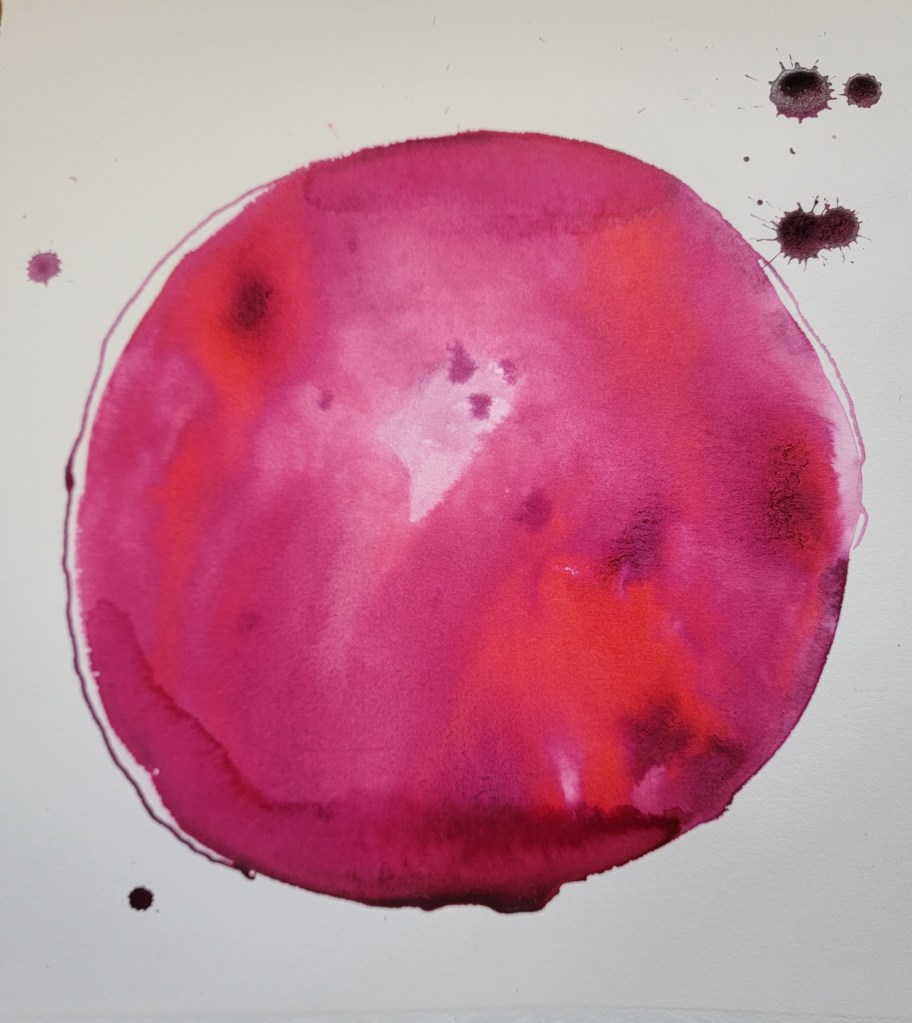
Winter’s a great time to try making inks from sources other than what grows in my backyard. I have been reading a lot about the history of pigments, and I wanted to try making a red from cochineal bugs.
According to Wikipedia, Cochineal dye was used by the Aztec and Maya peoples of North and Central America as early as the second century BC. Inhabitants of Peru have been producing cochineal dyes for textiles since early in the Middle Horizon period (600–1000 CE). It is still a very viable pigment to this day.
I have read that finding a red in nature was a big deal back in 2 BC since one of the most fugitive colors in nature is red (it fades and very fast, more so than other colors). There aren’t many that have the vibrancy and staying power of cochineal besides mineral pigments.

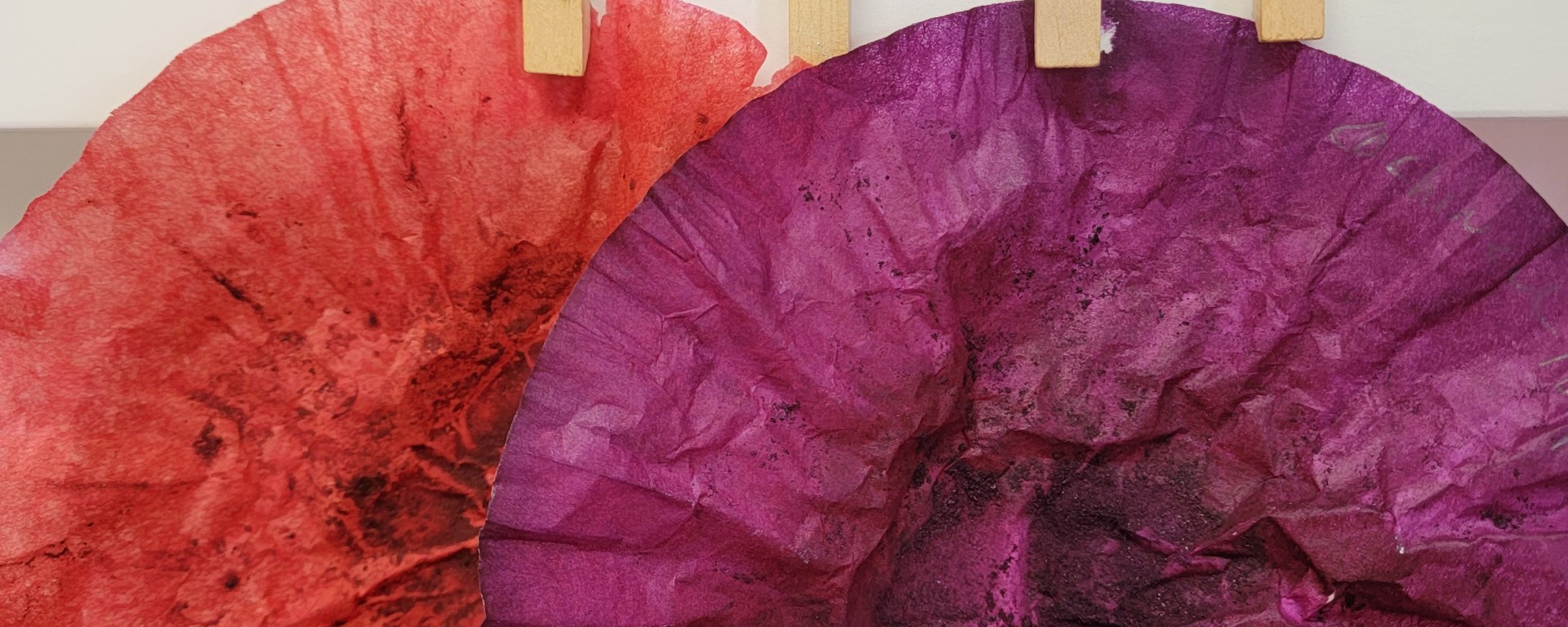
Purple and red cochineal
Cochineal ink is a beautiful, vibrant red ink that is made from the dried bodies of cochineal insects. The insects are native to Central and South America.
Making cochineal ink is a relatively simple process. (You can purchase the insects online.) Once you have the insects, you will need to grind them up into a fine powder.
Dryed cochineal bugs.

Once the cochineal powder is ground up, you will need to mix it with water. The amount of water you use will depend on how dark you want your ink to be. A good starting point is to use 1 tspn cochineal powder to 100 ml water.
Once the cochineal powder and water are mixed, you will need to heat the mixture over low heat. This will help to extract the color from the cochineal powder. As the mixture heats up, it will turn a deep color. I used a water bath to keep it of the direct heat.
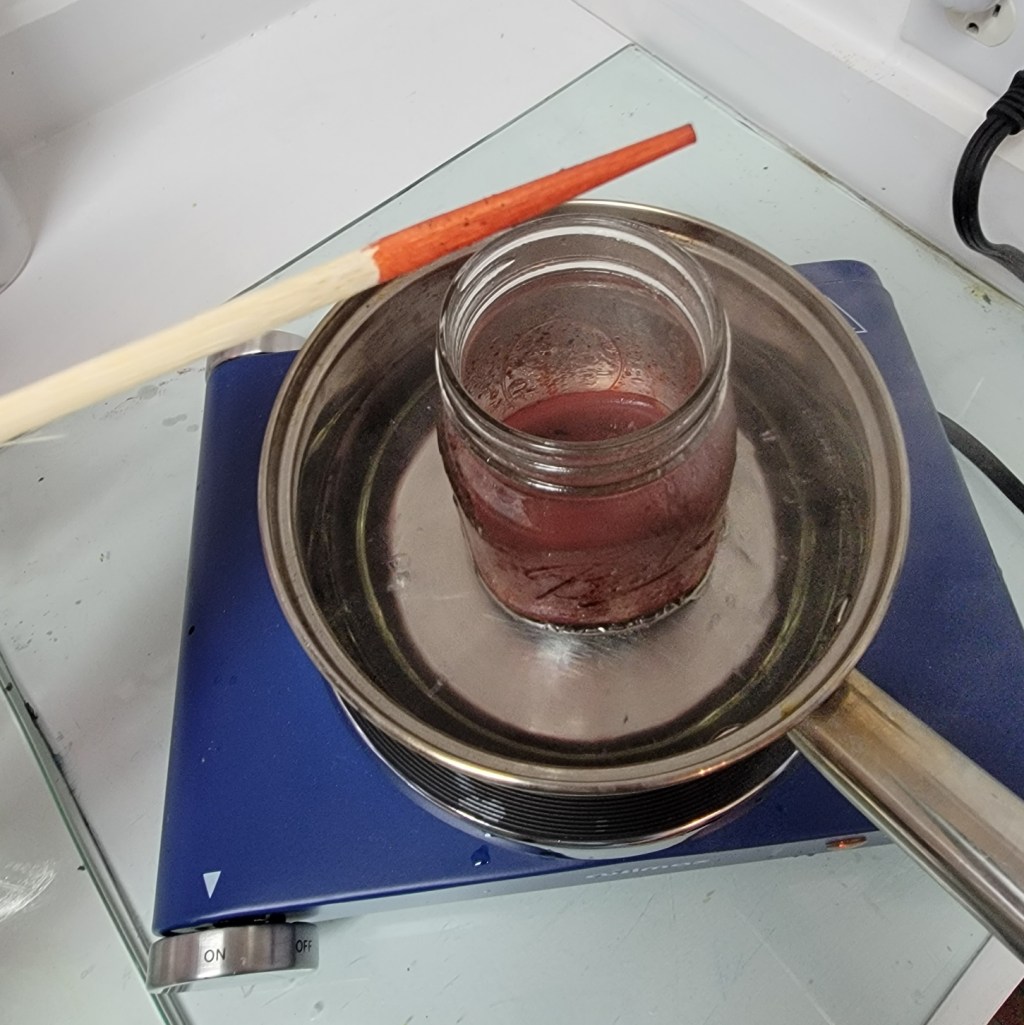
Ground cochineal and spring water cooking
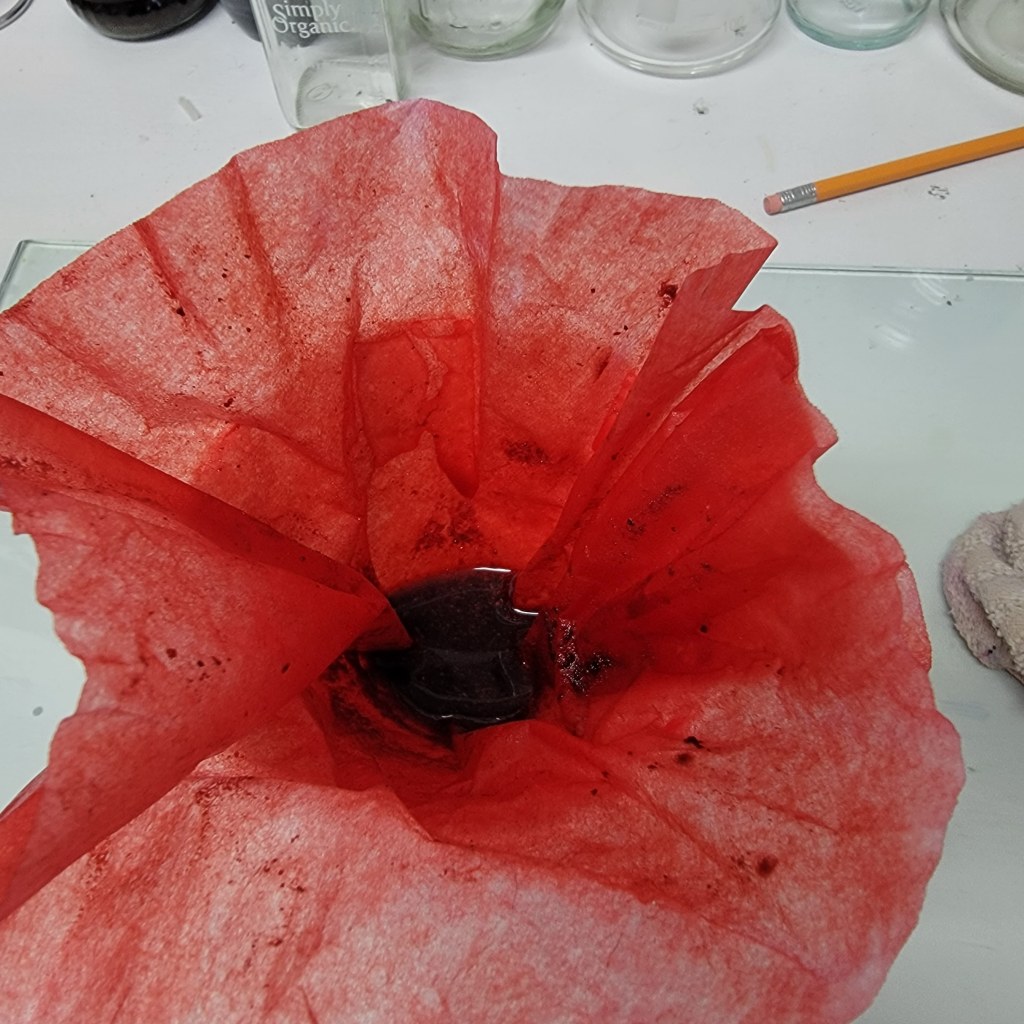
After the mixture has been heated for about an hour, you will need to filter it. This will remove any undissolved cochineal powder.

Cooked cochineal filtering
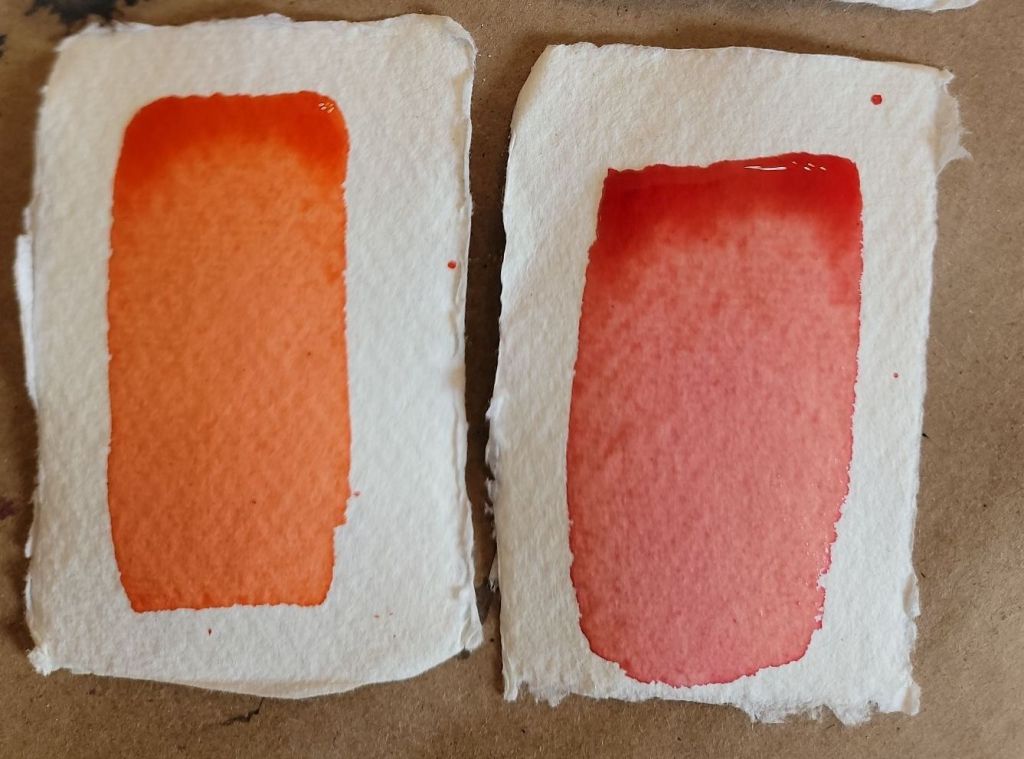
The color is then adjusted by adding alum and either tartaric acid or citric acid. I got both the purple red and cardinal red with the tartaric acid. The citric acid made an intense melon color. The mixture can then be poured into a bottle or jar and then add some gum arabic
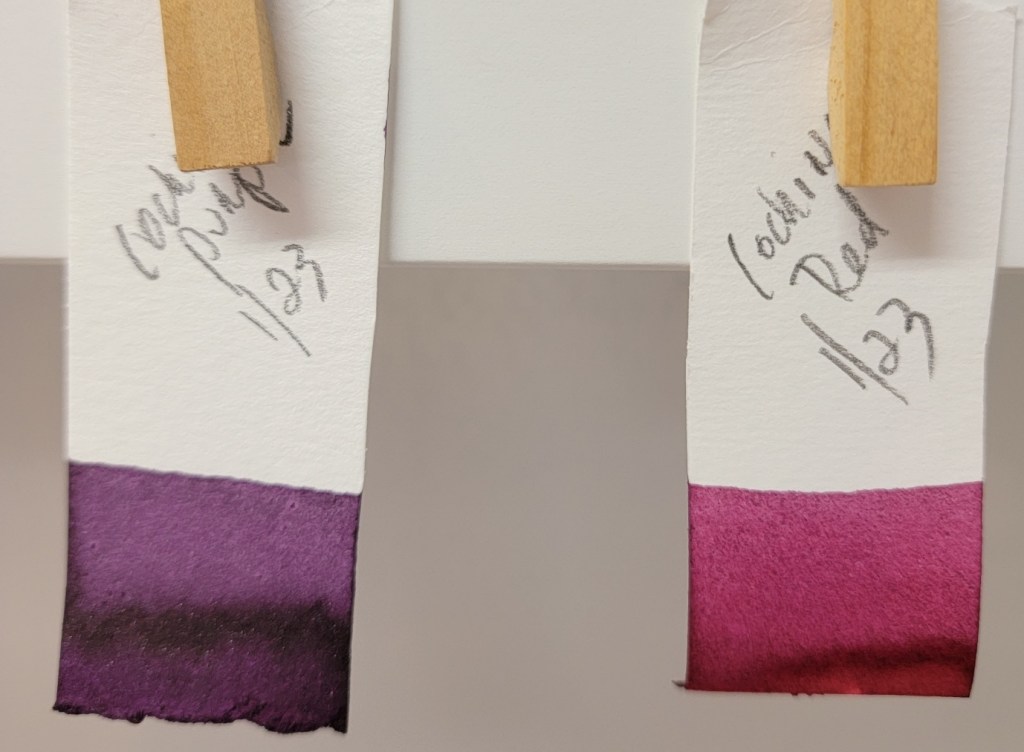
Cochineal purple and red test strips

Here are some additional tips for making cochineal ink:
- Use distilled water to avoid impurities.
- Strain the ink through a fine cloth or cheesecloth to remove any remaining cochineal powder, I use a fine mesh strainer with cheese cloth.
- Play with different amounts of the additives. You can get many different colors. I also tried ferrous -sulfate to try to get a deeper purple.
- Be careful when handling cochineal powder, as it can cause stains. Definitely use a mask when grinding.
- Add a drop of clove essential oil to keep it from getting moldy
Cochineal ink will last for several months if it is stored in a cool, dark place. It can be used to write with a pen, brush, or quill.

 Leah's Notes on Ink and Art
I’m so impressed with all you’re learning, Leah. And how beautiful the inks are! Keep havin fun.
LikeLiked by 1 person
It’s really a wonderful world to be immersed in.
LikeLike
Which did you use to make the red? Soda Ash or Alum? I am trying to make red carmine pigment from cochineal, but I am having no luck finding recipes or tips. The best I can find leave you with a purple pigment… but I want red. Any thoughts?
LikeLike
Hi today I revisited this recipe and found that the soda ash wasn’t the correct additive, it’s citric acid!!! So sorry for the misinformation. I was playing with different amounts and got this crazy flourecent orange. I also tried bumping the intensity with both the alum and the citric acid.
LikeLiked by 1 person